Metropolis (1927) Watch in Colour or Black and White

ENGLISH FILM POSTER
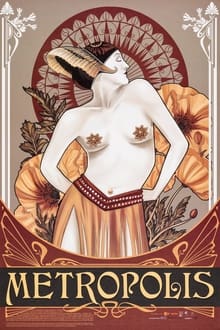

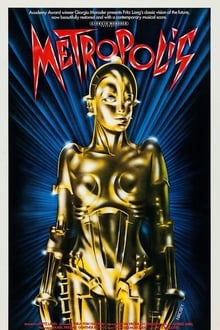
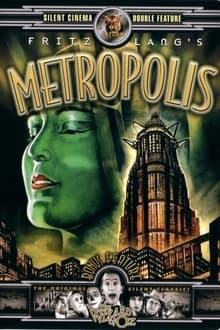

"Metropolis" (1927) is a groundbreaking silent science fiction film directed by Fritz Lang. Set in a dystopian future, the story takes place in the eponymous city, a sprawling metropolis divided into two classes: the wealthy elite who live in luxury above ground and the oppressed working class who toil in harsh conditions below ground.
The narrative centers around Freder, the privileged son of the city's ruler, who becomes fascinated by Maria, a charismatic woman from the lower depths of the city. Through his encounters with Maria and witnessing the plight of the workers, Freder becomes aware of the vast inequality and exploitation present in Metropolis.
Meanwhile, Freder's father, Joh Fredersen, the mastermind behind the city's oppressive system, enlists the help of a mad scientist named Rotwang to create a robot in the likeness of Maria. Fredersen intends to use the robot to manipulate and control the workers, inciting discord among them and preventing any potential uprising.
As tensions escalate between the ruling class and the workers, the false Maria incites chaos and violence, leading to a dramatic confrontation between the two factions. Freder, Maria, and the workers ultimately unite in a struggle for justice and equality, culminating in a powerful and visually stunning climax that explores themes of class struggle, technology, and the human spirit.
"Metropolis" is celebrated for its groundbreaking special effects, innovative cinematography, and ambitious storytelling, making it one of the most influential and enduring films in the history of cinema.
 |

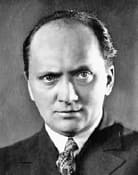 In the 1927 silent science fiction film "Metropolis," Theodor Loos played the role of Josaphat. Directed by Fritz Lang, "Metropolis" is a landmark work in cinema history, renowned for its groundbreaking special effects, stunning visuals, and influential storytelling. The film explores themes of class struggle, industrialization, and the human condition in a futuristic city where the wealthy elite live in luxury above ground while the oppressed working class toil underground to sustain the city's machinery. Josaphat is depicted as a sympathetic character, serving as an intermediary between the ruling class and the workers, and his character plays a significant role in the film's narrative.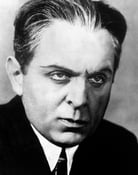
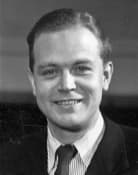 |
Freder Fredersen |
In the 1927 film "Metropolis," Gustav Fröhlich portrayed the character Freder Fredersen. Freder is the privileged son of Joh Fredersen, the ruler of the city of Metropolis. He leads a life of luxury and idleness until he discovers the harsh reality of the underground workers' plight. Shocked by the inhumane conditions endured by the workers, Freder becomes determined to help bridge the gap between the city's upper and lower classes. His journey forms the central narrative arc of the film, as he seeks to unite the disparate factions of society and bring about positive change. Gustav Fröhlich's performance as Freder helped to establish the character as an iconic figure in cinematic history, embodying themes of compassion, empathy, and social justice.
Comments
Post a Comment